
Recency bias is killing your win rate — here's the fix
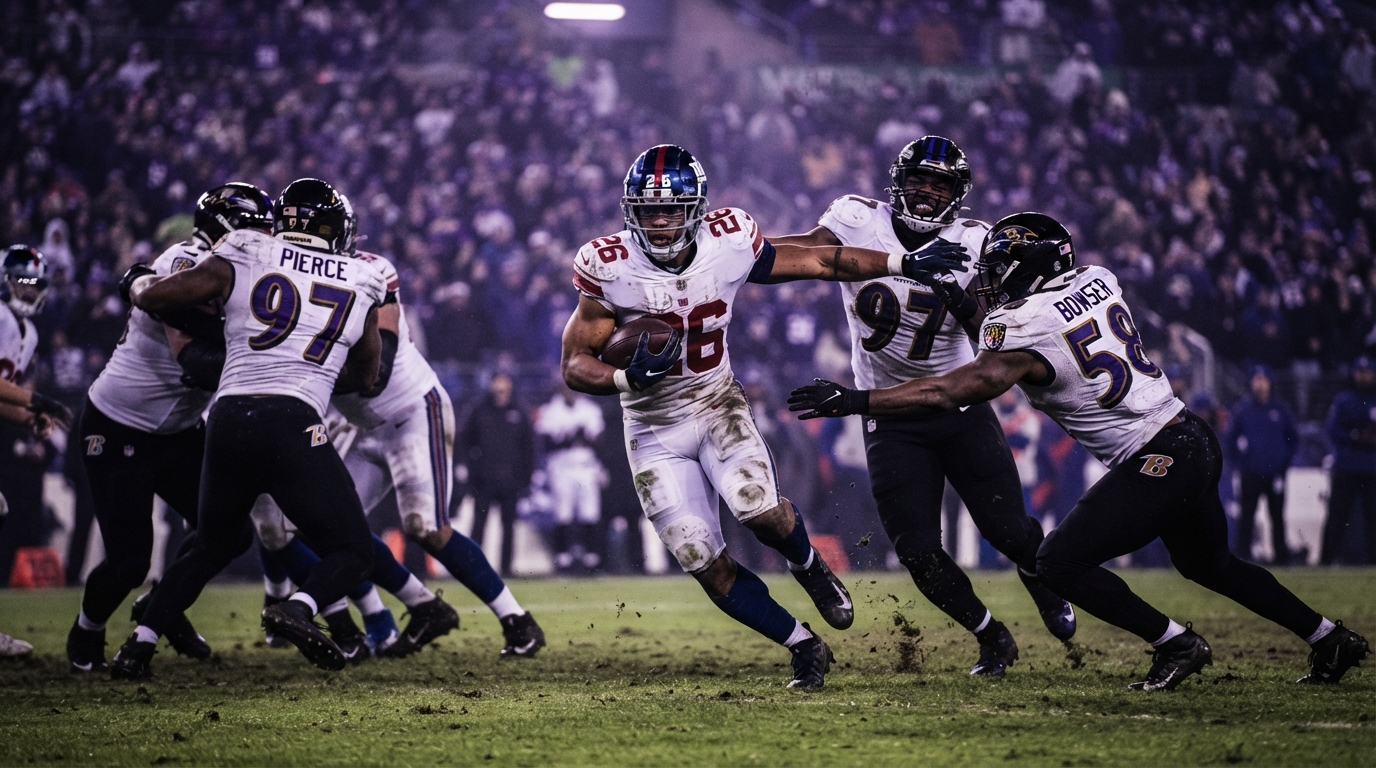
You watched a quarterback throw four touchdowns last Sunday, so you're backing him this week. You saw a team get blown out, so you're fading them. That's recency bias — the tendency to overweight what just happened and underweight everything that came before it. It's the single most common mental error in sports betting, and it quietly drains bankrolls. Here's how to spot it and fix it.
Why recency bias is so dangerous
Recency bias feels like good analysis. You're reacting to real, recent information — what's not to like? The problem is that a single game is a tiny, noisy sample. A breakout performance might be the start of a trend, or it might be one good night against a bad defense. If you bet every recent breakout, you're betting on noise. The market has already adjusted the line for what everyone just saw, which means you're usually paying a premium for information that's already priced in.
How to spot it in your own thinking
- •You're betting a team or player because of what they did in their last game, not their last 10-20.
- •You're fading a team off one bad loss without checking whether the matchup or context explained it.
- •You feel 'due' or 'not due' based on a recent streak rather than underlying numbers.
- •You're reacting to highlights and box scores instead of the larger trend.
The fix: lean on longer-term data
The antidote to recency bias is sample size. Instead of asking 'what did they do last game,' ask 'what have they done over the last 10-20 games, and does the matchup change that?' A player's last-10 form is a far better predictor than their last-1. Statr's analysis engine is built around this: it weighs recent game logs, dual-game comparisons, and longer-term trends together, so a single outlier game doesn't hijack the read.
When recent actually matters
This isn't a rule to never use recent data. Some recent information genuinely changes the outlook — a new injury, a role change, a coaching shift, a usage bump. The key is knowing the difference between signal (something structurally changed) and noise (one good or bad game). Recent form matters when it reflects a real change; it doesn't matter when it's just variance.
The takeaway
Recency bias makes you bet what you just saw instead of what's actually true. Force yourself to zoom out to the bigger sample, and let Statr surface the long-term trends so a single game doesn't lead you into a bad bet.
Run your next bet through Statr
Find the next play, check the risk, and back it with stats — before you place it.