Brewers Lead Dodgers 2-0 in 2026 NLCS: What Changed in Game 2
Brewers Lead Dodgers 2-0 in 2026 NLCS: What Changed in Game 2
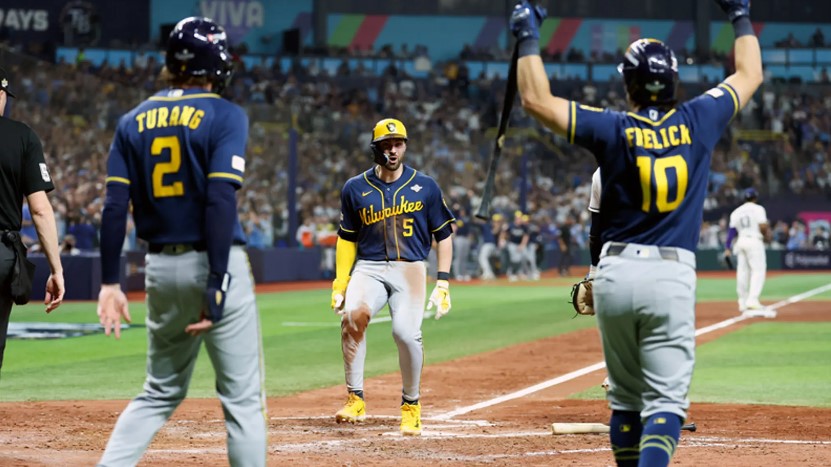
The Milwaukee Brewers have taken control of the early National League Championship Series after beating the Los Angeles Dodgers 7-4 in Game 2 on October 12, according to MLB's official postseason scoreboard. Milwaukee leads the best-of-seven series 2-0 heading into Game 3 in Los Angeles on October 14.
An early series lead matters, but it does not settle the matchup. Game 2 offers several useful clues about the Brewers' offensive approach, late-inning execution and the decisions both clubs face as the series shifts venues.
NLCS Game 2: How Milwaukee won 7-4
Contemporary playoff recaps credited catcher William Contreras with three hits and three RBIs, including impactful at-bats that helped Milwaukee overturn the game's balance. The Brewers' offense found production beyond one moment, while their bullpen protected the lead after the starter departed.
The Dodgers, meanwhile, struggled to get length from starter Yoshinobu Yamamoto. Reports said he exited after 2⅔ innings. That matters for more than Game 2: abbreviated starts can force managers to use additional relief pitchers and complicate bullpen planning for subsequent contests.
The official MLB postseason schedule confirms Milwaukee's 7-4 victory and the resulting 2-0 series advantage.
Why the Brewers' bullpen matters
October series often turn on the middle innings. A team's starting rotation may generate the headlines, but effective relief innings can prevent a single difficult matchup from developing into a decisive rally.
Milwaukee's late-game pitching was a central feature of Game 2 reporting. Evaluating whether that performance is sustainable requires looking beyond a scoreless outing: available relievers, workloads, handedness matchups and usage over consecutive days all matter.
It would be a mistake to assume that the same bullpen arms can deliver identical results every game. Managing rest and choosing leverage spots will become increasingly important as the series continues.
What the Dodgers must change in Game 3
Los Angeles returns home for Game 3, offering a chance to respond. The most direct priorities are longer outings from starting pitchers, more consistent traffic on the bases and better execution with runners in scoring position.
The Dodgers do not necessarily need to reinvent their offense. In a short series, a small number of plate appearances can create outsized swings. Coaches instead have to identify whether Milwaukee's sequencing or pitch selection is exposing a repeatable weakness.
The series shifts to Los Angeles on Wednesday, October 14, per MLB's published postseason schedule. Probable pitchers and lineup decisions should be confirmed closer to first pitch.
Does a 2-0 lead mean the NLCS is decided?
No. Milwaukee holds a significant advantage because it needs fewer remaining victories, but a best-of-seven postseason series still requires four wins. Home-field changes, pitching matchups and bullpen availability can shift the expected outcome from one game to the next.
The useful analytical question is not whether Milwaukee has momentum in some abstract sense. It is whether its advantages—plate discipline, timely hits and relief management—are likely to recur under the next set of conditions.
What to monitor before Game 3
The pitching assignments, workload of key relievers, injury updates and lineups should drive the next round of analysis. Anyone evaluating a series price or game line should verify current odds independently; this article does not present an unverified market number.
Bottom line: Milwaukee has earned its 2-0 NLCS lead with a 7-4 Game 2 win, but the Dodgers still have time to adjust. The next contest will test whether the Brewers can carry their early advantages onto the road.
Sources
Run your next bet through Statr
Find the next play, check the risk, and back it with stats — before you place it.