Broncos-Chargers Daiyan Henley Trade Canceled: What Denver Loses
Broncos-Chargers Daiyan Henley Trade Canceled: What Denver Loses
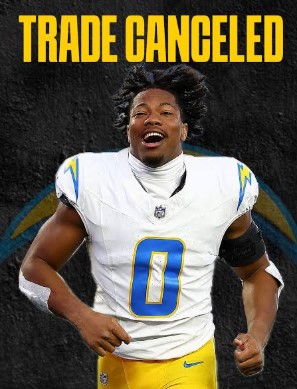
Denver's attempt to add linebacker Daiyan Henley at the trade deadline is officially over. The Broncos confirmed late Wednesday, November 11, that their proposed deal with the Los Angeles Chargers would not be finalized. That reverses an unusual in-division transaction announced ahead of Tuesday's deadline and leaves both teams with their original assets.
The distinction matters: the transaction was proposed and pending a physical, not a completed trade later undone. Henley remains a Charger, and Denver retains the draft capital it had planned to surrender.
What was agreed to — and what changed
Under the proposed terms, Denver would have acquired Henley in exchange for a 2027 fourth-round draft pick and a 2028 fifth-round pick. On November 11, Denver issued a short official statement confirming that the transaction would not go through, without identifying a reason.
The NFL's November 12 report likewise said neither team publicly explained why the agreement collapsed. Associated Press reporting cited ESPN's account that a concern about Henley's knee surfaced during the physical and that the teams could not agree on revised compensation. That remains reported information, not an official medical diagnosis or a publicly confirmed reason from either franchise.
Henley played in the Chargers' most recent game, so the reversal should not be treated as proof that he cannot play. Physical evaluations for trades can involve longer-term risk judgments, particularly for a player approaching free agency.
Why Denver wanted Henley
At 7–2, the Broncos were seeking a reinforcement for a team positioned to compete in the AFC. Henley offered experienced linebacker depth and the flexibility to contribute in coverage, rather than simply a speculative future prospect. Denver's inside-linebacker group is led by Alex Singleton and Justin Strnad, with less-established reserves behind them.
Henley had 51 tackles through eight starts in 2026, along with an interception, a forced fumble and two fumble recoveries, according to the Associated Press. Those counting statistics do not independently establish how well he would have performed in Denver's system, but they illustrate the volume of regular-season work the Broncos hoped to add.
Denver's challenge now is narrower and more immediate: it must navigate the rest of the season without that additional veteran option. Keeping the draft picks protects future roster-building flexibility, but picks cannot provide the same near-term snaps as a healthy, ready linebacker.
What the reversal means for Los Angeles
The 0–8 Chargers keep a familiar defensive starter and team leader, but lose the anticipated future draft compensation. Henley is in the final season of his rookie contract, which adds a separate decision about whether the club will retain him beyond 2026.
From Los Angeles' perspective, the outcome preserves defensive continuity during a difficult season. From Denver's perspective, it removes a possible reinforcement at a moment when the team is trying to sustain its position in the AFC race. Those are different consequences of the same canceled transaction—not separate news stories.
What happens next
There is no announced replacement trade or new agreement. The Broncos will proceed with their current linebacker rotation, while Henley remains with the Chargers. The most important next information would be an official explanation of the transaction's failure, a verified change in Henley's availability, or a roster decision that materially alters either team's linebacker depth.
For now, the confirmed news is simple: the trade is off, Henley stays in Los Angeles, and Denver keeps its two draft picks. Claims about a specific medical finding should remain attributed to reporting rather than presented as established fact.
Sources
Run your next bet through Statr
Find the next play, check the risk, and back it with stats — before you place it.