MLB first five innings betting: F5 moneylines, totals, and risks
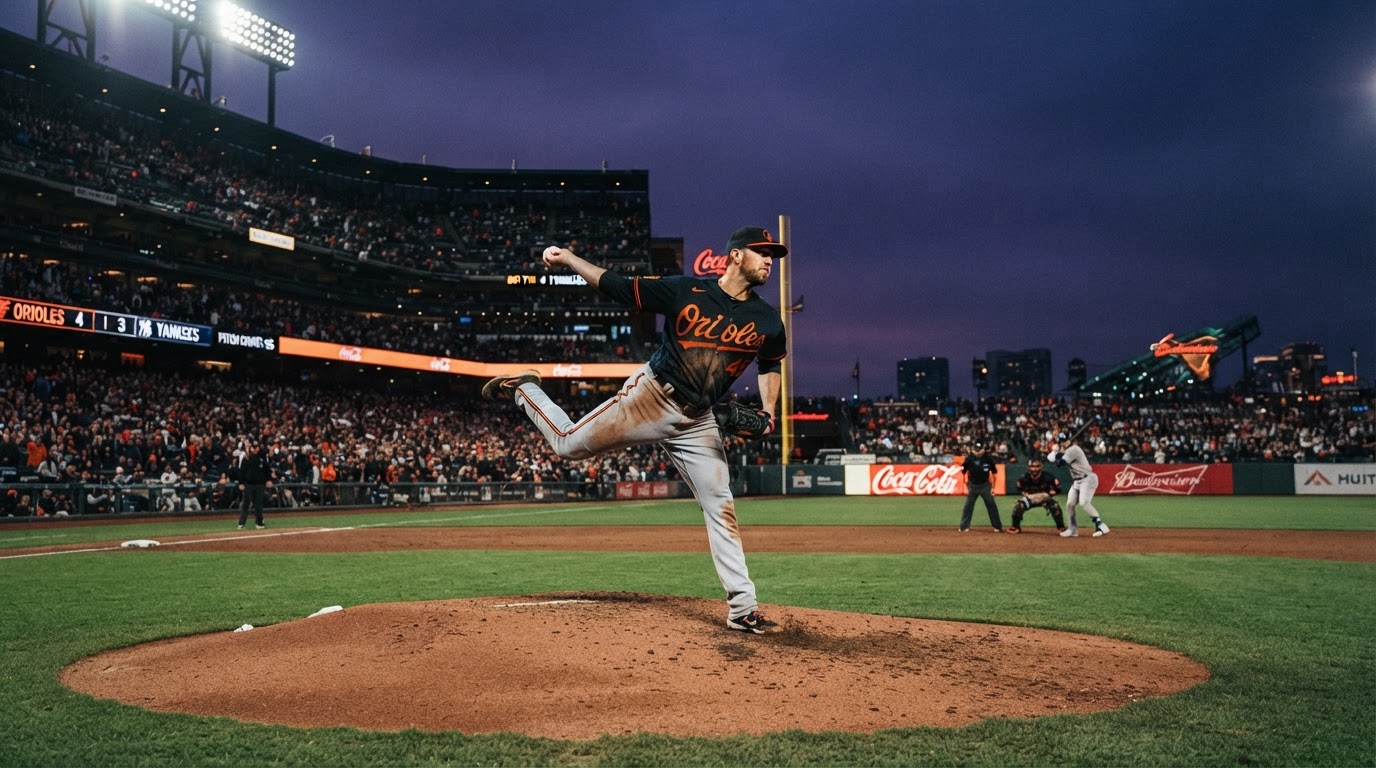
First five innings betting, often shortened to F5, settles a baseball market using the opening five innings rather than the full game. An F5 moneyline concerns which team leads after five innings. An F5 total concerns the combined runs scored during those innings.
The shorter window can make the starting-pitcher matchup more relevant to your research. It does not make a wager automatically safer, more predictable, or more profitable. A starter can leave early, a reliever can enter before the sixth, and the price can already reflect the matchup.
What does F5 ML mean?
F5 ML means first-five-innings moneyline. You are evaluating the score at the end of the specified five-inning period, not predicting the eventual winner of the game.
Check whether the market has two selections or includes a draw. Tie treatment differs by market. In a two-way market with a push rule, a tie returns the stake. In a three-way market, the draw is a separate outcome, so selecting a team does not win when the period ends tied. Your sportsbook's displayed market and applicable rules determine settlement.
| Market | What you are evaluating | Fictional example |
|---|---|---|
| F5 moneyline | Which team leads after five | Home team F5 moneyline |
| F5 run line | The five-inning margin after a handicap | Away team +0.5 runs |
| F5 total | Both teams' combined five-inning runs | Under 4.5 runs |
| F5 team total | One team's five-inning runs | Home team over 2.5 runs |
Markets with the same teams can have very different outcomes. If the score after five is 2–2, away +0.5 covers its handicap and under 4.5 finishes below its threshold. A moneyline selection depends on the market's tie rule. These examples assume the required period is completed and the bets otherwise stand.
First five versus full-game betting
F5 limits the scoring window. Full-game markets include the later innings and, where the rules specify, extra innings. That changes which information matters most.
For F5, research the expected starters, their likely workload, the batting orders, and the early scoring environment. For a full game, later relief options and bullpen availability become more important as well.
Neither format removes uncertainty. If a pitcher has a short outing, an injury, a pitch limit, or an opener assignment, an F5 wager can have substantial relief-pitching exposure. A pitcher who often leaves before finishing five is a reason to investigate that exposure, not a reason to ignore it.
A practical first-five research checklist
1. Confirm who is expected to pitch—and for how long
Verify the scheduled starters and check for workload limits or an opener/bulk-pitcher plan. Recent pitch counts and innings can provide context, but do not assume every recent outing represents today's assignment.
Look beyond a single ERA figure. Strikeouts, walks, contact quality, and the opponents faced can help explain how the pitcher reached that result. MLB's expected-statistics leaderboard is one resource for investigating contact quality. An expected statistic is not an exact forecast for the next start.
2. Read the actual batting order
Identify missing hitters, handedness matchups, and changes near the top of the order. If the lineup is projected rather than confirmed, label that uncertainty. A team's season average can hide a materially different group of hitters on a particular day.
3. Check the park and conditions
Consider the venue, roof status, and available weather information. Treat those details as context rather than automatic instructions to take an over or under. The total may already account for the conditions.
4. Record both the line and its price
Under 4.5 at -110 is not the same offer as under 4.5 at -140. Under 4 is also a different market threshold from under 4.5, even if their prices look similar.
For a simple win-or-lose market with no push, -110 corresponds to a break-even win rate of about 52.38%; -140 corresponds to about 58.33%. Those figures come from the price. They are not Statr predictions. Learn the distinction in our expected-value guide.
5. Identify what could change your assessment
A lineup change, a different starter, a shortened workload, or a new price can change the question. Write down the assumptions behind your analysis so you can recognize when it needs another look.
A worked example: a pitching advantage is not the whole answer
Imagine the home team has the stronger expected starter, but that pitcher is returning with a limited workload. The visiting lineup also has several hitters whose strengths match that pitcher's weaker areas.
The useful research question is not simply "Who has the better ERA?" It is "How much of this five-inning period is the starter likely to cover, what happens afterward, and does the offered price account for those uncertainties?"
If the lineup or workload information is unavailable, the analysis should say so. More confident language cannot replace missing evidence.
Common questions
Does F5 include the first inning?
Yes. It includes the first through fifth innings. A first-inning run market measures a much shorter period. Our 2025 first-inning scoring study explains that distinction with season-level data.
Do first-five bets avoid the bullpen?
They avoid innings six onward, but relief pitchers can appear earlier. Check expected workload and recent usage instead of assuming that both starters will complete five.
Are first-five markets easier to beat?
This guide does not establish that. A narrower period changes the research problem; it does not demonstrate that a sportsbook's price is wrong.
What happens if the game is shortened or a starter changes?
Check the rules for your specific sportsbook, jurisdiction, and market. Do not assume that full-game moneyline rules also govern a five-inning total or handicap.
Put the matchup in context with Statr
Give Statr the teams, game date, exact F5 market, line, and price you are researching. Ask which available evidence supports the assessment, which evidence conflicts, and what remains unconfirmed. Period-specific information may be limited; a full-game statistic should not be silently treated as a first-five forecast.
Open Statr or read how Statr's analysis works.
Statr provides sports analysis and information, not guaranteed outcomes or bet placement. For adults 21+. If gambling is causing harm, find support.
Run your next bet through Statr
Find the next play, check the risk, and back it with stats — before you place it.