NBA back-to-backs: how to research rest, minutes, and price
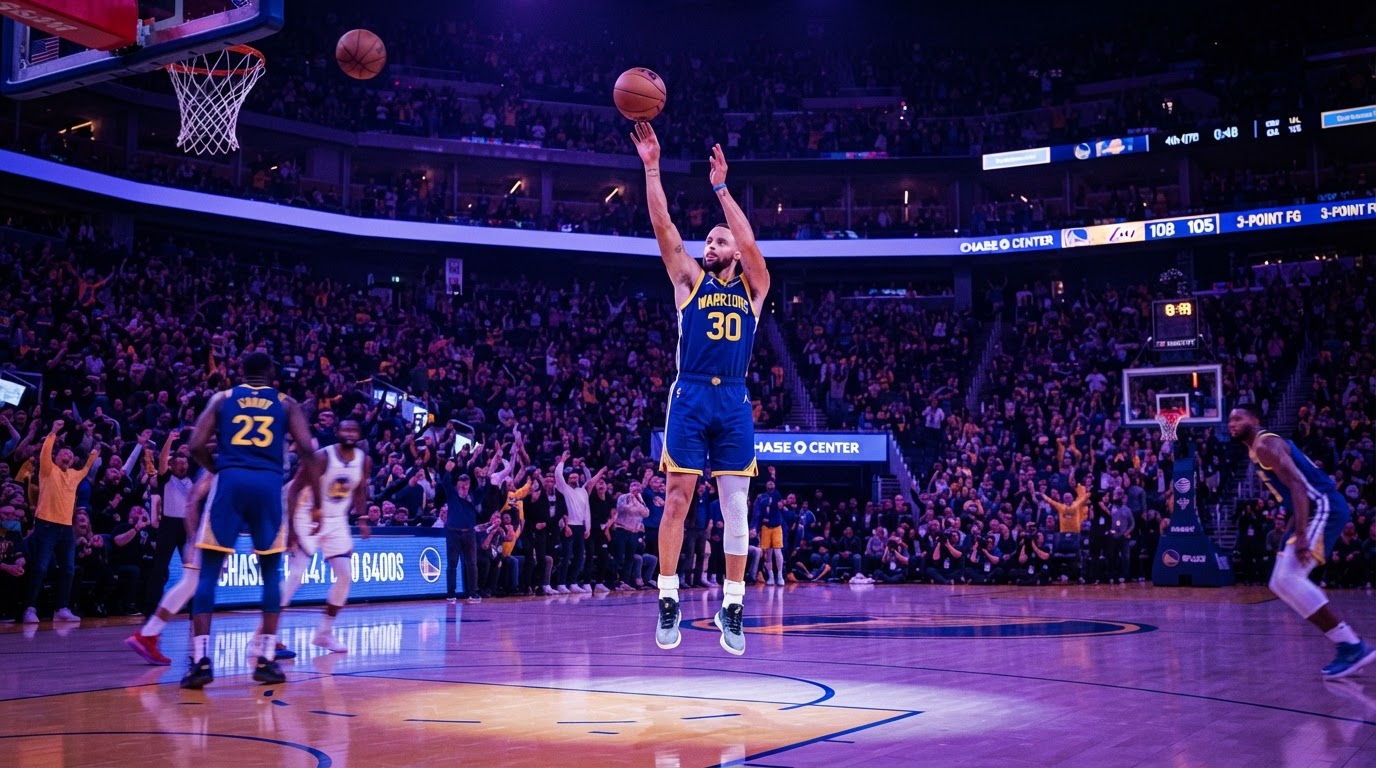
An NBA back-to-back is a pair of games on consecutive days. The schedule can matter to research, but the label alone does not tell you whether a team will play slowly, cover a spread, or finish under a total.
Investigate the players' actual circumstances and the current market. Two teams on back-to-backs can have very different prior-night workloads, travel, rotations, and availability.
Start with availability
Check the most recent official injury report and relevant team updates. Distinguish "questionable," confirmed availability, and any reported workload restriction. An old status can become stale before tip-off.
The NBA publishes official injury reports and explains its reporting requirements. Its 2025–26 reporting page includes a separate deadline for the second game of a back-to-back. For a new season or game, use the current applicable report rather than assuming an old schedule still governs.
Review the previous game's workload
Minutes can vary considerably even when the team played the night before. An overtime game, a close finish, and a game decided early may leave different workloads for the same starting lineup.
Check which players carried those minutes and whether the rotation has changed. Avoid assuming every player on the roster experienced the same workload.
Consider travel and the opponent
Record where each game was played and whether the opponent also had limited rest. Compare the situation rather than describing one side as "tired" and stopping there.
Fatigue can plausibly affect multiple parts of a game, including offensive execution and defense. That does not establish a universal direction for the total. A rule such as "back-to-back equals under" needs actual testing, including the prices available at the time.
Separate team markets from player props
| Market | Research question |
|---|---|
| Spread | Does availability change the likely rotation or relative team strength? |
| Total | Which scoring assumptions might change, and are they already reflected in the line? |
| Player points | Could minutes, attempts, or efficiency differ from the baseline? |
| Rebounds or assists | Would a rotation change alter opportunity or teammate involvement? |
These are questions to investigate, not automatic adjustments to apply.
A fictional example: a starter's status changes
Suppose a team played overtime yesterday and a starting guard is listed as questionable today. A teammate's prop might look attractive under the assumption that the guard sits.
If the guard is later cleared without a restriction, that assumption may no longer apply. If the teammate's line already rose, the earlier price is no longer the available offer. Recheck both the lineup context and the market.
Use a consistent checklist
Record the game date, location, official availability status, relevant prior-night minutes, expected role, and exact line and price. Explain which details are confirmed and which remain uncertain.
When using Statr, ask: "Which rest and workload information is available for this matchup, and what would change if the questionable player is active?" Statr's access to individual context varies; do not assume it has every minutes restriction or breaking update.
Open Statr, read the player-prop research guide, or explore how analysis handles uncertainty.
Statr provides sports analysis and information, not guaranteed outcomes or bet placement. For adults 21+. Gambling support.
Run your next bet through Statr
Find the next play, check the risk, and back it with stats — before you place it.